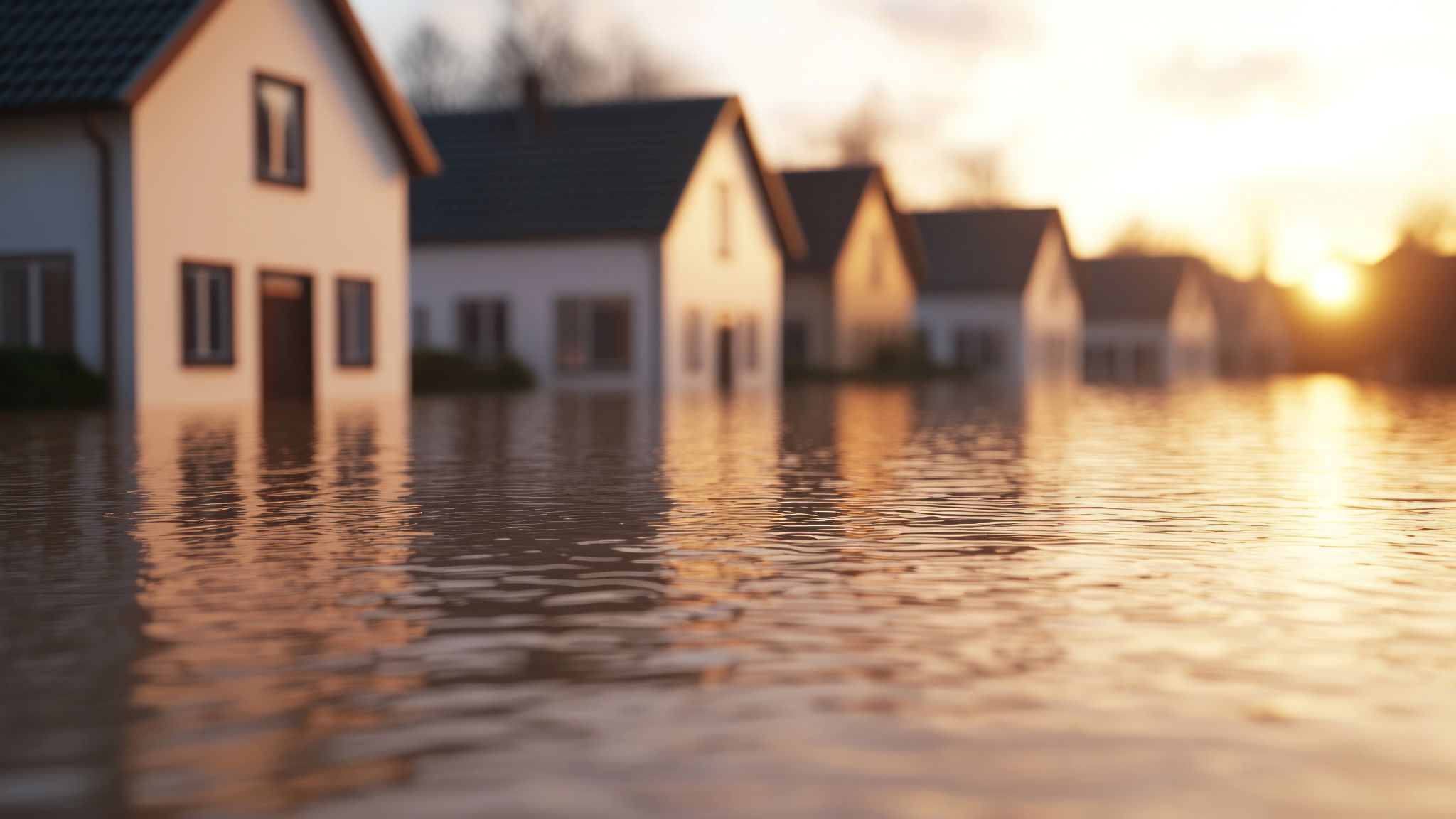
In the face of floods, power grid failures, or power outages, a fast and independent energy source becomes crucial. Thanks to its mobility, high efficiency, and storage capabilities, liquefied petroleum gas (LPG) is becoming one of the most practical solutions in extreme conditions. More and more people are treating it as part of their emergency preparedness. Unlike many other fuels, it does not require complex infrastructure, and when stored properly, it retains its properties for a long time, making it a fuel “for a rainy day.” Why? Find out!
LPG as an independent energy source at home and in the field
LPG can be easily transported and stored in cylinders of various capacities, which is a huge advantage. Unlike electricity, it does not require a connection to the grid, providing complete independence at the point of use. If your home loses power after heavy rainfall, a gas cylinder will allow you to run a portable stove, cooktop, or heater. This lets you not only prepare a hot meal but also effectively heat the space, preventing your body from getting cold. In areas where access to infrastructure is limited, bottled gas serves as an effective energy source for mobile aid stations—such as field kitchens, heated tents, or temporary rescue bases. Properly selected LPG appliances operate efficiently even at low temperatures, which is particularly important in winter. In field conditions, you’ll also appreciate that LPG isn’t sensitive to moisture and can be used in places where other fuels fail.
How to choose LPG equipment for emergency situations?
When putting together your equipment, it’s important to consider a few key factors. First and foremost, the appliances should be compatible with the type of cylinder you plan to use. Power output is also crucial—too little won’t heat a room effectively, while too much will be wasteful. Look for ease of use and quick setup. In an emergency, time and simplicity matter. It’s also a good idea to keep spare hoses, regulators, and piezoelectric igniters on hand, which will allow you to start the equipment without matches. You may also want to consider purchasing multifunctional devices that can serve as both a heat source and a stove, reducing the amount of equipment you need to carry.
Drying rooms after flooding using propane
After a flood or water damage, it is crucial to quickly reduce humidity inside the building. Moisture promotes the growth of mold and fungi, which can be hazardous to health. LPG powers devices such as heaters, which generate a large amount of heat, accelerating the evaporation of water from walls and furnishings. Dehumidification using a gas heater is particularly effective in large, poorly insulated spaces where traditional electric dehumidifiers would be underpowered or useless due to a lack of electricity. In such conditions, the mobility and power of a gas heater become an advantage—they help shorten the time it takes to return the building to normal use.
How to use gas heaters safely?
When using heaters indoors, make sure the area is properly ventilated. Gas combustion consumes oxygen and produces exhaust fumes, so these devices must not be used in completely enclosed, unventilated spaces. You’ll achieve the best results by positioning the unit so that warm air is directed toward the dampest areas while allowing fresh air to circulate freely. Also, remember to monitor the temperature regularly. This is to prevent damage to materials sensitive to overheating. If you plan to work for an extended period in a closed room, choose heaters with a sealed combustion chamber, which separate the combustion process from the indoor air.
LPG and cooking during an outage
A power outage or a cut in natural gas supply doesn’t mean you have to go without hot meals. Camping stoves and portable burners powered by propane allow you to cook in virtually any conditions. This is especially important in the early hours of a crisis, when it’s crucial to keep your household’s energy and morale up. Importantly, LPG is a high-calorific fuel, so preparing a meal or boiling water for tea takes little time, which conserves supplies and allows for economical fuel management. The ability to use the stove anywhere offers tremendous freedom—you can cook outdoors, minimizing the risks associated with using open flames indoors.
What should you include in an emergency gas cooking kit?
The foundation is a stove or burner with a stable design that can withstand gusts of wind. You’ll also need a supply of gas cylinders or canisters, preferably in different sizes—smaller ones for quick transport, larger ones for extended use in one spot. Pots with thick bottoms that distribute heat evenly will come in handy, as will a spare lighter. You should also ensure proper fuel storage—in a safe, dry, and well-ventilated place, away from heat sources. It’s also a good idea to store part of your supply somewhere other than your home—in a garage, storage shed, or gazebo—so you can still access it if the main building is damaged.
Why is LPG an important part of crisis preparedness?
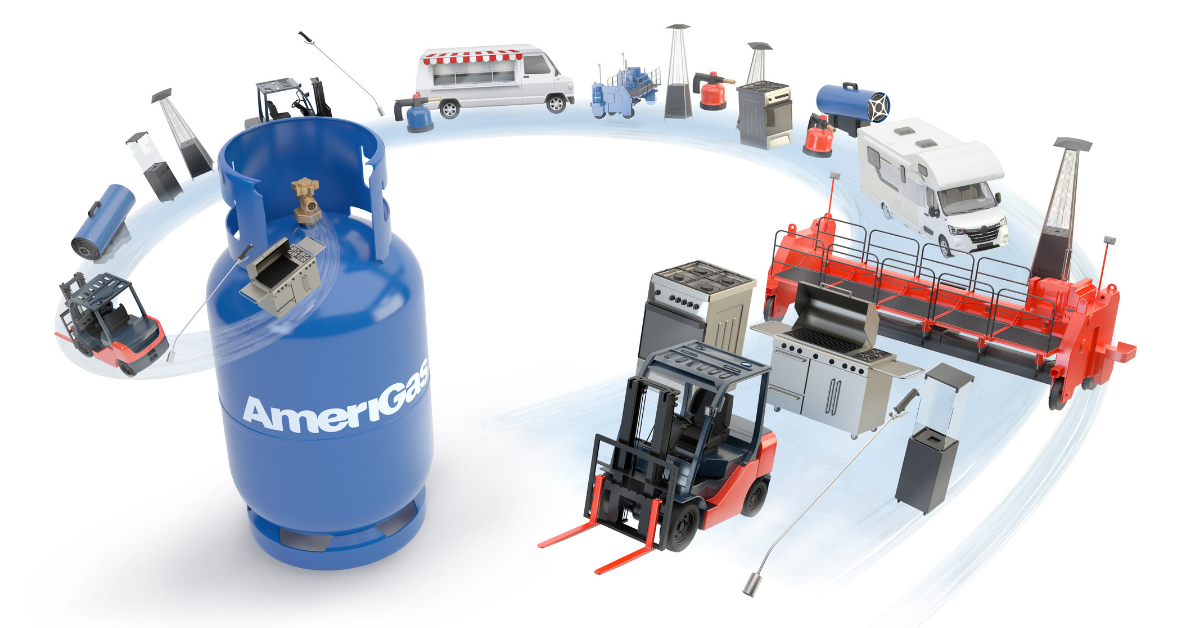
LPG provides independence from the power grid, is easy to store, and relatively simple to transport. It can power a variety of devices—from stoves and heaters to power generators. In crisis situations, flexibility matters, and LPG delivers it. Having an adequate supply of cylinders and LPG-compatible appliances at home increases your chances of maintaining comfort and safety in situations where access to electricity and other utilities becomes impossible. It’s an investment in peace of mind—you’re guaranteed that even in the event of a sudden outage, you can heat your home, dry out flooded rooms, and prepare a meal for the whole family.
How can we help?
Any questions? Fill in the form or give us a call.