What type of fuel should you choose for heating a mushroom farm?
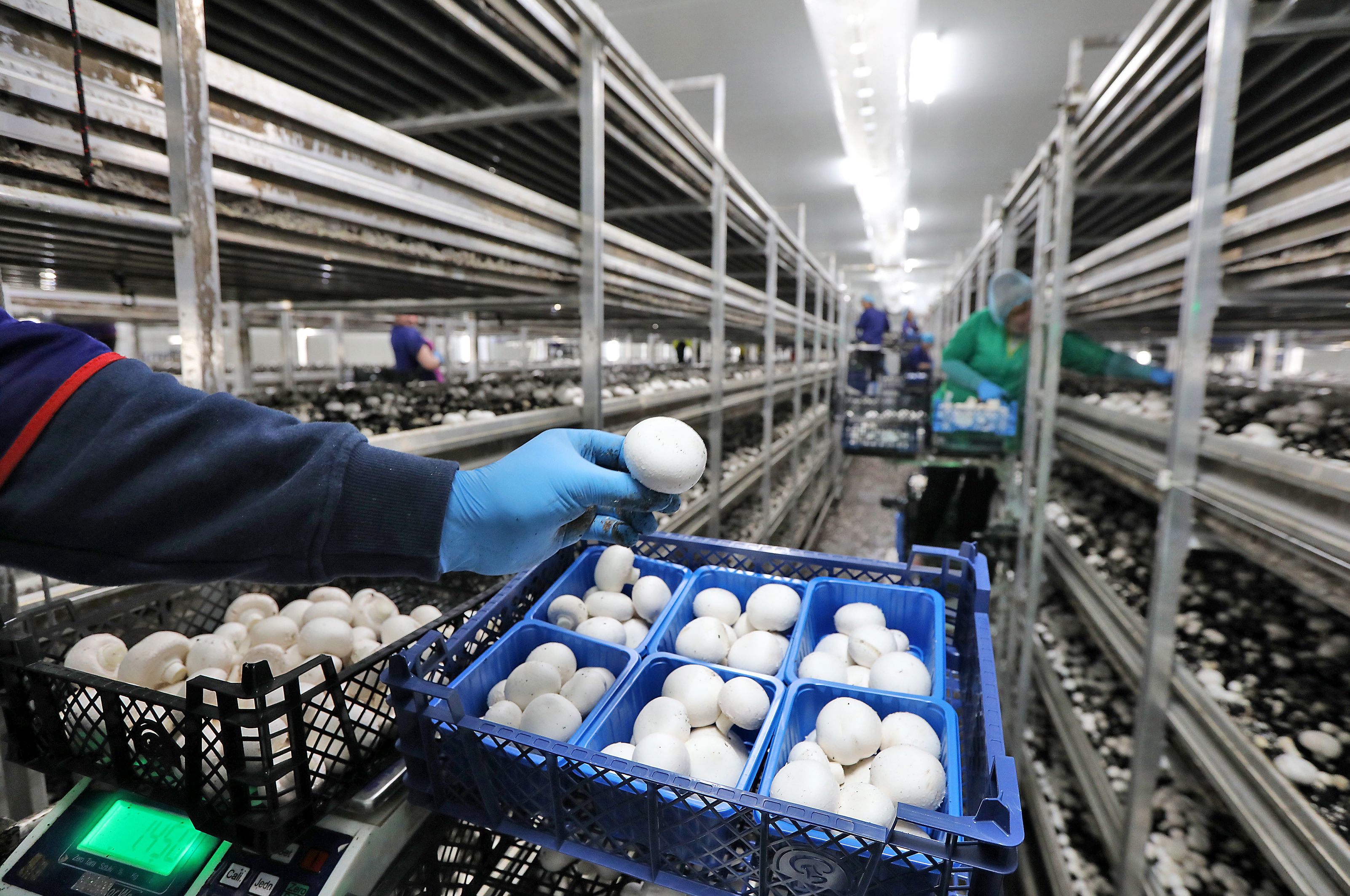
Agricultural crops have always been vulnerable to changing weather conditions. One solution to limit the impact of weather on crop health was the introduction of protected cultivation. Since then, farmers have grappled with the issue of heating, as it has the greatest impact on the profitability of crop production. Mushroom growers, for example, face an even greater dilemma, as they must provide the mushrooms with a very stable environment. As mushroom consumption rises, new mushroom farms are popping up across Poland, which is the leading producer of mushrooms in Europe. In this context, the question “What type of heating and what fuel should be chosen for heating mushroom farms?” is asked extremely often.
Remote-controlled atmosphere
The yield and quality of mushrooms depend largely on the microclimate conditions in the mushroom house. Maintaining a constant, relatively high temperature and adequate humidity levels are key to the size of the harvest and, consequently, to the profitability of the operation. For these reasons, farmers choose heating systems that allow for very effective temperature control in the heated halls. Gas or fuel oil boiler rooms are primarily suitable for this purpose. Both fuels allow for rapid heating of the heating medium when temperatures drop, or for suddenly reducing the heating intensity when the temperature reaches the set level. Both liquefied petroleum gas (LPG) and fuel oil are used in boilers where steam serves as the heating medium. In mushroom farms, steam is used not only for heating. It is also used to disinfect rooms and regulate humidity inside the mushroom growing chambers. LPG, supplied to the mushroom farm’s tanks, is significantly cheaper than fuel oil, which makes it a very popular choice among mushroom growers.
Gaz płynny - wygodne i przyjazne dla środowiska paliwo
Liquefied petroleum gas (LPG) – a convenient and environmentally friendly fuel In many areas where mushroom farms are located, the infrastructure has not kept pace with the growth of production. The availability of natural gas in rural areas—where mushroom farms are typically established—remains insufficient. This is a shame, because gas is a relatively inexpensive fuel, and at the same time, its use for heating on an industrial scale is the least disruptive to nearby residents. If we want to build mushroom cultivation facilities in areas where the atmosphere is particularly protected, gas is the only solution. Burning gas does not release harmful particulates into the atmosphere, and thus has a neutral impact on the environment. LPG cylinders can be placed virtually anywhere, making it easier to decide on the location of a mushroom farm. Remote cylinder gas level monitoring systems ensure that the gas supply will not run out, thereby guaranteeing safe cultivation.
Mushroom growers who prioritize a cost-effective and eco-friendly way to heat their mushroom farms choose liquefied petroleum gas. They also opt for this fuel due to the stability of the microclimate in the mushroom farm and the convenience of gas supply and billing methods. So if you are, or plan to become, the owner of a mushroom farm, choose liquefied petroleum gas as the fuel for heating your facilities. AmeriGas, by supplying gas to your tanks, will become a reliable partner in running your mushroom farm.
How can we help?
Any questions? Fill in the form or give us a call.