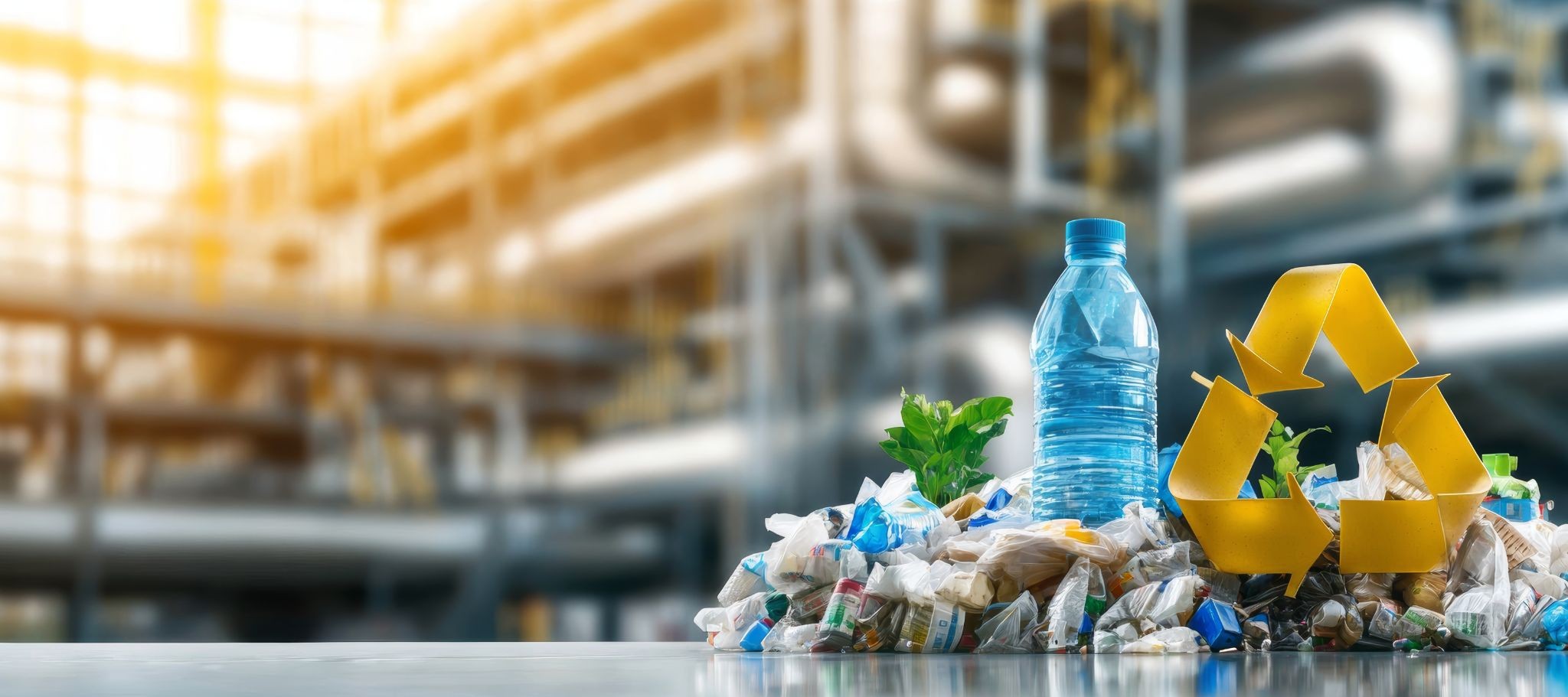
Liquefied petroleum gas (LPG) is increasingly playing a key role in applications where low emissions and high energy efficiency are essential. In the recycling and waste management industry, its use is becoming a major asset in the pursuit of more sustainable processes. How can LPG help reduce energy costs and improve workplace safety in this sector? Find out!
How does LPG support the recycling of metals and plastics?
LPG enables the stable, controlled combustion required for melting, drying, and molding recycled materials. Thanks to its high calorific value, it provides uniform heating, which is particularly important in applications such as aluminum or thermoplastic recycling.
Unlike solid fuels, liquefied petroleum gas does not generate dust, and its exhaust gases are significantly cleaner. This means less pollution in the production hall and lower filtration maintenance costs. In facilities where temperature precision is critical, LPG offers better control than fuel oil or coal, resulting in reduced material loss and higher quality of the processed raw material.
Why is LPG a safer solution for waste management?
When used in accordance with regulations, liquefied petroleum gas (LPG) is one of the safest fuels in industry. LPG systems are equipped with safety valves, pressure sensors, and systems that shut off the gas supply in the event of a malfunction. Furthermore, unlike diesel or gasoline, it does not contaminate the soil in the event of a leak. In municipal waste management, where mobile heating units, burners, or forklifts are frequently used, LPG ensures clean combustion and eliminates the risk of soot emissions or vapor ignition. If you manage a waste storage facility or a recycling center, LPG will help you reduce fire risks and improve working conditions for your staff.
How does LPG help reduce the carbon footprint in waste management?
It is generally accepted that LPG generates about 20 percent less CO2 emissions than fuel oil and up to 50 percent less than coal. For companies that report on their environmental impact, switching to LPG can therefore be a major step toward a lower emissions footprint. In the waste sector, where combustion and drying processes are unavoidable, using LPG instead of solid fuels allows companies to meet environmental requirements and achieve positive results in ESG audits.
If you are pursuing ISO 14001 certification or wish to implement a low-carbon development policy, LPG is a fuel that facilitates the achievement of these goals without a technological revolution.
In which devices and recycling processes does LPG work best?
It is most commonly used in rotary kilns, steam boilers, industrial burners, and systems for drying and shredding waste. LPG also powers forklifts used to transport raw materials within facilities. Because it burns cleanly, it can be used indoors without the risk of compromising air quality.
At many recycling facilities, LPG is used for space heating and to power mobile thermal equipment. If you recycle glass, paper, or metals, liquefied petroleum gas provides stable and consistent heat, which is essential for the efficiency of the process.
How do you install an LPG system at a waste treatment facility?
The most important factors are selecting the appropriate tank capacity and choosing the right installation location. The tank should be located in a well-ventilated area, away from sources of fire and storage areas for flammable waste. Proper fencing and signage for the safety zone are also required. It is advisable to involve a licensed specialist in the installation design to ensure compliance with UDT regulations.
For larger facilities, an automatic gas level monitoring system is recommended, as it allows for better delivery planning and helps avoid downtime. Also, remember to conduct regular inspections—in the waste management industry, you work in challenging conditions, so the integrity and technical condition of the system are of the utmost importance.
How does LPG affect the environmental safety of recycling facilities?
LPG nie wnika w grunt i nie zanieczyszcza wód gruntowych. Jego ewentualny wyciek odparowuje i nie pozostawia śladów w glebie. W praktyce oznacza to, że nawet w razie awarii nie ryzykujesz długotrwałego skażenia terenu. Ponadto gaz płynny nie zawiera siarki, dzięki czemu spaliny nie powodują kwaśnych deszczów ani korozji infrastruktury.
Jeśli w Twoim zakładzie stosowane są instalacje filtrujące lub systemy oczyszczania powietrza, przejście na LPG znacząco wydłuży ich żywotność. To szczególnie ważne w przedsiębiorstwach, które starają się łączyć efektywność z odpowiedzialnością ekologiczną.
Does LPG have a future in the waste and recycling sector?
Definitely yes. An increasing number of European countries are recognizing LPG as a transition fuel on the path to full energy transformation. Thanks to the growing availability of biopropane, its renewable counterpart, the waste sector can further reduce emissions. The use of liquefied gas also allows for the integration of traditional processes with modern energy recovery technologies.
Investing in an LPG system is a major step toward preparing a facility for future environmental regulations and changes in the emissions reporting system. In the long term, it leads to greater energy efficiency and stability for the entire company.
How can we help?
Any questions? Fill in the form or give us a call.