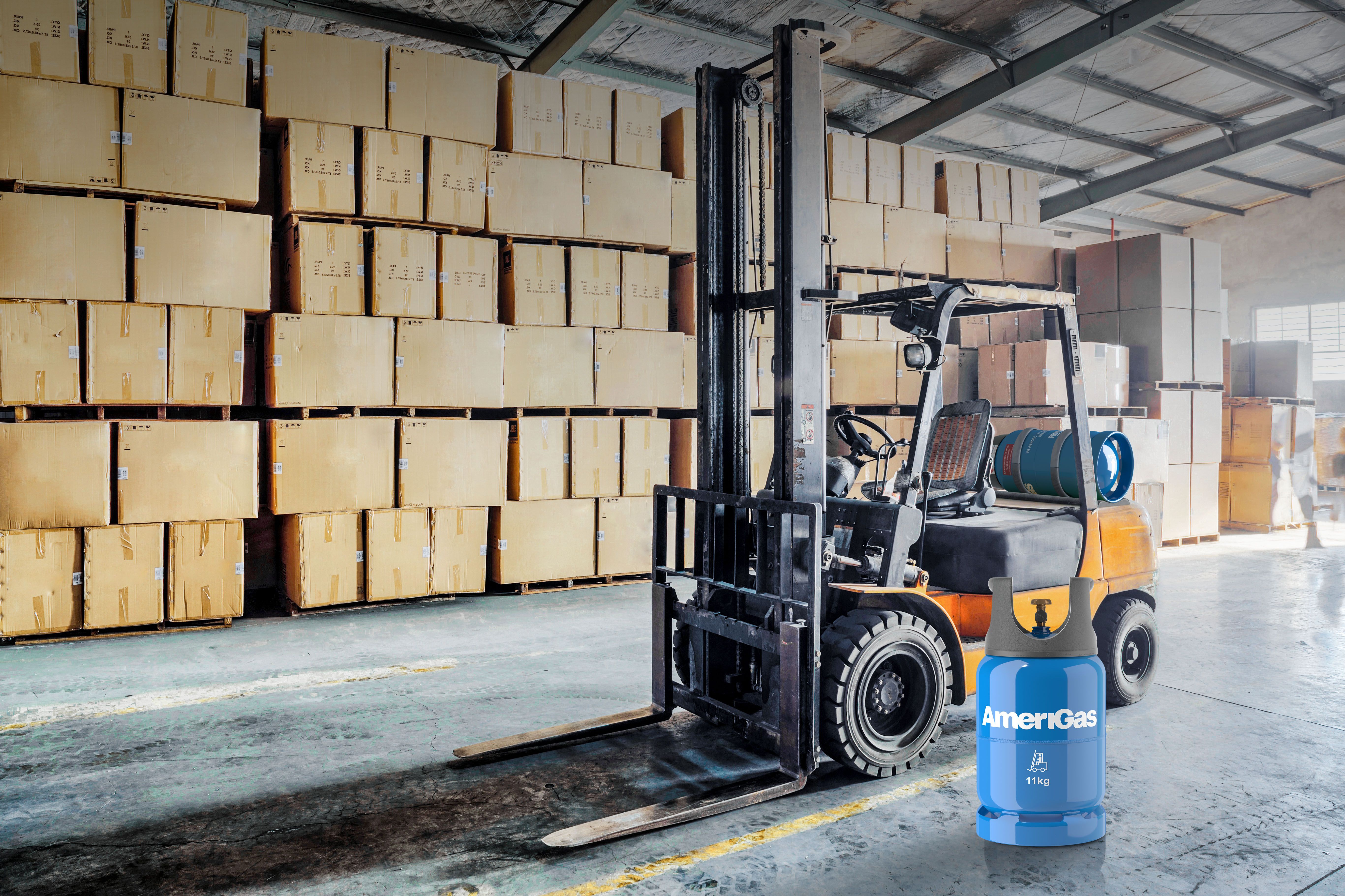
Forklifts are indispensable machines in logistics and warehousing, enabling the efficient transport, lifting, and stacking of goods on shelves. Choosing the right forklift depends on many factors, such as the specific characteristics of the workplace, the company’s needs, and the availability of fuel sources. There are various ways to power forklifts, and the most common include gas (LPG), diesel, and electric. In this article, we will present the advantages and disadvantages of each power source and try to explain which one works best.
Electric forklifts – eco-friendly and quiet, but with quite a few limitations
Electric forklifts are growing in popularity, mainly due to their eco-friendly characteristics. Electric motors produce no exhaust emissions, making them ideal for companies committed to sustainability. At the same time, these trucks are well-suited for indoor environments such as warehouses and production halls. Another advantage of electric forklifts is their quiet operation, which enhances operator comfort and reduces noise in the workplace. Although electric forklifts have many advantages, it is also worth mentioning certain limitations. First, they require regular charging, which means downtime—fully charging the battery can take several hours. In cases of intensive use, it may be necessary to have additional batteries or a special station for quick battery swaps. Furthermore, electric forklifts are more expensive to purchase than internal combustion forklifts. Over the long term, lower energy costs may offset the higher purchase costs, but the initial investment is significant.
Diesel Forklifts – Practical, but Expensive
Diesel forklifts are an excellent choice for outdoor work, especially in challenging terrain. They are characterized by high power, which allows them to transport heavy loads even on uneven ground. Thanks to their large fuel tanks, they can operate for long periods without frequent refueling, which is why they are popular in businesses that require continuous, uninterrupted operation. However, diesel engines are not without their drawbacks. First and foremost, they emit significant amounts of exhaust fumes, making them generally unsuitable for use in enclosed spaces, such as warehouses or production halls, where adequate ventilation is not provided. Diesel engines are also quite loud, which can disrupt work comfort, especially near buildings with office spaces. It is worth noting that diesel fuel costs have risen significantly in recent years, making diesel engine operation no longer as economical as it once was.
LPG-powered forklifts – versatility and cost-effectiveness in one
LPG-powered forklifts are an excellent alternative to both electric and diesel-powered forklifts. Liquefied petroleum gas (LPG) is a widely used fuel that has remained popular over the years because it combines the advantages of both electric and diesel powertrains.
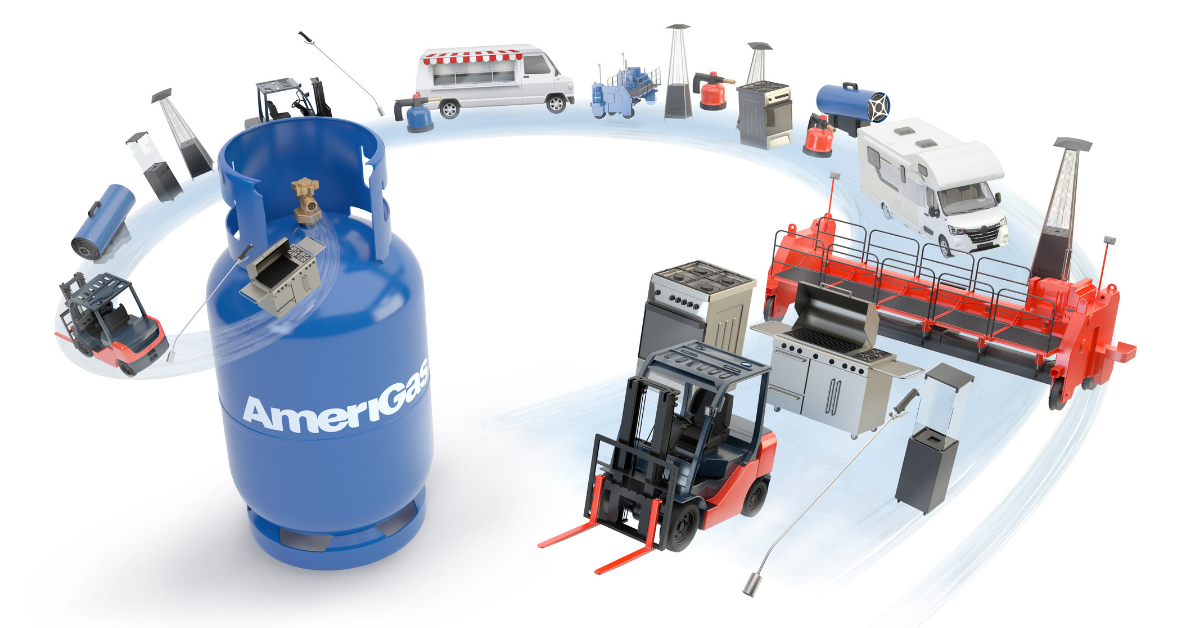
Economy
One of the key advantages of LPG forklifts is the low cost of fuel compared to diesel, as well as the flexibility in refueling. This type of forklift also outperforms electric models, as LPG forklifts can be refueled in just a few minutes, which minimizes downtime. Furthermore, LPG tanks are easy to replace, allowing for continuous operation without the need to wait a long time for the battery to recharge. Lower costs are also a major advantage, as gas prices are more stable than those of diesel or electricity, enabling better long-term fuel budget planning.
Versatility and Versatility
LPG-powered forklifts stand out for their versatility, as they are suitable for both outdoor and indoor use, provided the space is properly ventilated. Compared to diesel forklifts, LPG forklifts generate significantly fewer pollutants, making them safer in enclosed warehouse facilities. The use of catalytic converters and appropriate filters further reduces exhaust emissions, bringing LPG forklifts closer to the environmental standards of electric forklifts. Another advantage is the versatility of these trucks, as they can operate in harsh outdoor conditions and at low temperatures, where electric truck batteries may struggle to maintain performance. Compared to electric forklifts, which can lose efficiency at low temperatures, LPG forklifts maintain their performance regardless of the weather.
Power and Performance
In terms of power, LPG forklifts are on par with diesel forklifts, enabling them to efficiently lift and transport heavy loads. Additionally, their engines run more smoothly and are quieter than diesel engines, which improves operator comfort, especially in industrial settings.
Electric, Diesel, or LPG Forklift – which one Is best?
Each of these forklifts has its own advantages. Electric forklifts are an eco-friendly choice that stands out for their quiet operation and are ideal for indoor use. Diesel engines are characterized by high efficiency, high power, and ease of refueling. LPG forklifts combine the advantages of both of the aforementioned solutions. They are eco-friendly enough that, with proper ventilation, they can be used indoors, while gas prices remain attractive compared to diesel or electricity.
Choosing the right forklift is a matter of individual choice and depends on the nature of the work, intensity of use, the company’s budget, and the entrepreneur’s personal preferences. When comparing all available power sources, LPG has a distinct advantage over the others, which is why gas-powered forklifts are very popular among construction, warehousing, and manufacturing companies. This advantage stems mainly from the potential to reduce operating costs and the flexibility of use, which for most people is a decisive factor when choosing a machine.
How can we help?
Any questions? Fill in the form or give us a call.